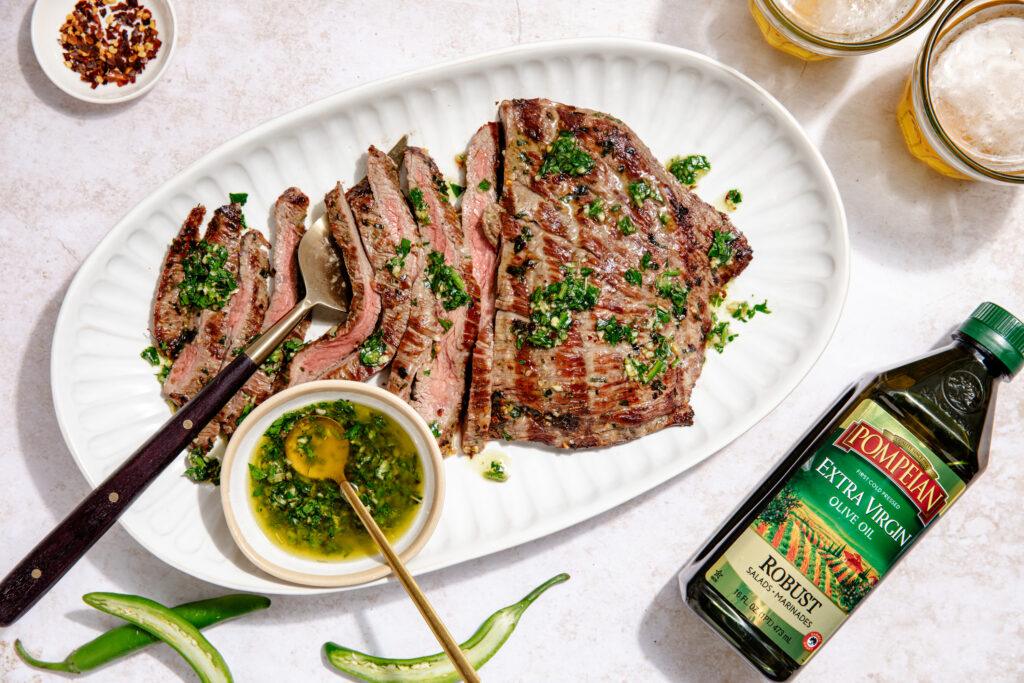
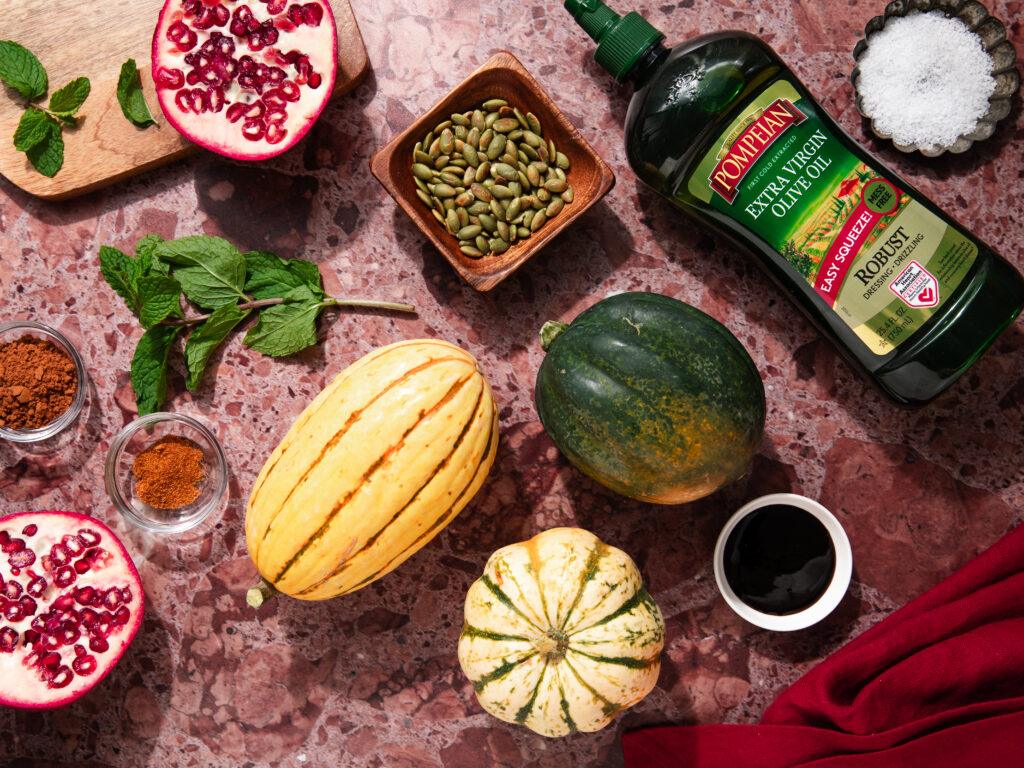
The cooking oil aisle can feel crowded and confusing. With so many options available, it helps to have a simple way to compare oils based on health, flavor, smoke point, and everyday use.
This guide walks through seven popular oil types and shows how they perform in real kitchens. You will learn how to choose the right oil for your cooking style and why olive oil, especially from Pompeian, stands out as a versatile choice.
Quick Comparison of Popular Cooking Oils
Choosing the right cooking oil becomes easier when you can see how each option compares. The chart below highlights the key differences in fat type, smoke point, best uses, and flavor so you can quickly match an oil to your cooking needs.
| Oil Type | Primary Fat Type | Approximate Smoke Point Range [2] [3] [4] | Best Uses | Flavor Profile |
| Extra Virgin Olive Oil (EVOO) | Monounsaturated | 380–410°F | Dressings, sautéing, roasting | Flavors include Smooth, Robust, fruity, pungent |
| Avocado Oil | Monounsaturated | Up to ~520°F | High-heat cooking | Mild, buttery |
| Coconut Oil | Saturated | 350–400°F | Baking, specialty dishes | Coconut flavor |
| Seed Oils | Polyunsaturated | 225–440°F | Various cooking methods | Neutral |
| Vegetable Oil | Polyunsaturated | 400–450°F | Frying, baking | Neutral |
| Sesame Oil | Mixed fats | 350–410°F | Finishing, flavoring | Nutty |
| Canola Oil | Mixed fats | Up to ~400°F | Baking, sautéing | Neutral |
Pompeian Extra Virgin Olive Oil
Extra virgin olive oil (EVOO) is the highest grade of olive oil, extracted mechanically from fresh olives without heat or chemicals. This process retains antioxidants, polyphenols, and monounsaturated fats. [5] According to the American Heart Association, replacing saturated fats with monounsaturated fats can lower the risk of heart disease. [1]
Olive oil supports heart health in meaningful ways. Regular consumption of olive oil is associated with a significant reduction in the risk of cardiovascular disease and overall mortality. [6] Olive oil also supports blood pressure management due to healthy fats and polyphenols. [7]
Additionally, the Mediterranean diet features extra virgin olive oil as a central ingredient. Olive oil in the Mediterranean diet is linked to lower risks of heart disease and diabetes. [8]
As a farmer-owned family since 1906, Pompeian blends tradition with modern quality standards to deliver consistent flavor and performance. Pompeian extra virgin olive oil comes in flavor profiles to meet a variety of tastes and cooking needs. With a practical smoke point range of about 380–410°F, EVOOs are suitable for everything from dressings to higher-heat cooking.
Avocado Oil
Avocado oil is pressed from the flesh of ripe avocados, producing a mild-flavored oil with one of the highest smoke points among cooking oils. Its smoke point can reach up to about 520°F, which makes it a good choice for high-heat cooking methods.
Avocado oil works well for searing and grilling. This oil shares a similar fat profile with olive oil, but may differ in antioxidant profile and be pricier than EVOO options. [9] [10]
Coconut Oil
Coconut oil is extracted from the meat of mature coconuts and is composed primarily of saturated fats, including lauric acid. [11] It has a smoke point of about 350°F for virgin and about 400°F for refined varieties. [4]
It contains about 80 to 90% saturated fat, which is significantly higher than olive oil. [11] According to the American Heart Association, replacing saturated fats with monounsaturated fats can lower the risk of heart disease. [1]
Seed Oils
Seed oils are cooking oils extracted from seeds like sunflower, grapeseed, and flaxseed. Their smoke points vary widely, ranging from about 225°F for flaxseed oil to around 440°F for sunflower oil. [2]
They are high in polyunsaturated fats, especially omega-6 fatty acids, and can suit specific cooking needs. [12] For example, Pompeian’s 100% Grapeseed Oil is well-suited for high-heat cooking, including deep frying and baking.
Vegetable Oil
Vegetable oil is a general term for plant-based oils, often made from soybean or blended sources. [13] It typically has a smoke point between 400 and 450°F, making it suitable for frying and baking. [4] [13]
It has a neutral flavor and wide versatility, but labels often do not clearly identify the exact oil composition. This lack of transparency can make it harder to understand what you are using. [13]
If you want a simple upgrade, Pompeian Light Tasting Olive Oil provides a similar neutral flavor with the added benefits of olive oil and dependable performance across cooking methods.
Sesame Oil
Sesame oil is pressed from sesame seeds and is known for its distinctive nutty flavor. [14] It has a smoke point of about 350°F for toasted sesame oil and around 410°F for light sesame oil. [2] [14]
This oil contains both monounsaturated and polyunsaturated fats. Sesame oil works best as a finishing oil or flavor enhancer, especially with the toasted variety if your recipe calls for a sesame-forward taste.
Canola Oil
Canola oil comes from the canola plant and offers a neutral taste with a smoke point of about 400°F. [2] [15] It features monounsaturated fats and is known for use in baking and sautéing due to its neutral profile and moderate-range heat tolerance.
Key Comparison Criteria for Cooking Oils
Now that we’ve explored these oils, it’s helpful to review a few key factors that can help you confidently choose the right oil for any recipe.
- Fat composition
Fat composition refers to the balance of saturated, monounsaturated, and polyunsaturated fats in an oil. This balance influences heart health, stability during cooking, and overall nutritional value. - Smoke point
The smoke point is the temperature at which an oil begins to break down and produce visible smoke. Choosing an oil with the right smoke point helps preserve flavor and prevents unwanted compounds from forming during cooking. - Nutritional extras
Some oils contain beneficial compounds like polyphenols, antioxidants, and vitamins. These compounds can support overall health and help protect oils from breaking down during cooking. - Flavor profile
Each oil has a unique taste that can enhance or compete with your ingredients. Choosing the right flavor helps create balanced and enjoyable dishes. - Processing method
Oils can be cold-pressed, expeller-pressed, or refined. [16] Processing affects flavor, nutrient content, and heat stability, making it an important factor when selecting an oil. For example, Pompeian EVOO is first-cold pressed, which means that fresh olives are taken to the mill directly and processed without the use of heat or chemicals, maintaining the oil’s quality, antioxidants, and flavor. [17] [18]
Culinary Uses and Flavor Profiles
Each cooking oil brings its own flavor and performance to the kitchen. Understanding how to use each one helps you build meals that taste better and cook more efficiently.
Extra virgin olive oil adds a fruity and pungent flavor that works well in dressings, finishing, and moderate-heat cooking. Neutral oils like grapeseed and vegetable oil allow other ingredients to shine, while coconut and sesame oils contribute distinct flavors suited for specific cuisines.
Choosing the right oil for each cooking method helps you control both taste and texture. Matching flavor intensity with your ingredients ensures that your dishes feel balanced and enjoyable.
Pompeian olive oils offer flexibility across nearly every cooking method. From drizzling over salads to sautéing vegetables and roasting proteins, they provide a consistent and flavorful foundation for everyday meals.
Smoke Points and Cooking Performance
A cooking oil’s smoke point is the temperature at which it begins to smoke, break down, and lose quality. Cooking within the appropriate temperature range helps preserve both flavor and nutritional value.
Different oils perform differently at heat due to their fat composition and level of refinement. For example, while high smoke point oils suit intense heat, many everyday cooking tasks fall well within the range of extra virgin olive oil, which contain natural antioxidants that help maintain stability during cooking. [19]
Environmental and Sustainability Considerations
Sustainability plays an important role in modern food choices. Different oils have different environmental impacts depending on how they are grown and produced.
Olive trees are long-living crops that can support biodiversity and soil health. [20] In contrast, some large-scale oil crops may require more intensive farming practices and higher resource use.
Water use, land management, and farming methods all influence the sustainability of cooking oils. Choosing responsibly sourced products can help support more sustainable food systems.
Pompeian continues to invest in responsible sourcing and farming practices. [17] This commitment helps ensure that every bottle supports both quality and long-term environmental care.
Cooking with Confidence Every Day
Choosing the right cooking oil does not have to feel complicated. When you focus on heat level, flavor, and nutritional value, you can make simple and confident decisions in the kitchen.
Building your cooking routine around a versatile and reliable oil helps streamline your choices and improve consistency. Pompeian olive oils bring together flavor, flexibility, and trusted quality in every bottle. Whether you are sautéing vegetables, roasting proteins, or finishing a dish, Pompeian helps you cook with confidence every day.
Frequently Asked Questions
What oil is best for heart health?
Extra virgin olive oil is widely regarded as a top choice. Regular consumption of olive oil is associated with a significant reduction in the risk of cardiovascular disease and overall mortality. [6] Olive oil also supports blood pressure management due to healthy fats and polyphenols. [7]
How does smoke point affect cooking oil choice?
Smoke point determines how hot you can cook before oil breaks down. Choose higher smoke point oils for high heat and EVOO for lower-to-moderate heat and flavor.
Are plant-based oils better than animal fats?
Many plant-based oils contain more unsaturated fats, which align with heart-health guidance. According to the American Heart Association, replacing saturated fats with monounsaturated fats can lower the risk of heart disease. [1]
How should I store cooking oils?
Store oils in a cool, dark place and keep them sealed. Use extra virgin olive oil within a few months for the best flavor.
Disclaimer: The nutrition and wellness information provided in this article reflects the professional expertise and independent opinions of the contributing Registered Dietitian. It is intended for educational purposes only and should not be interpreted as medical advice. The views expressed do not necessarily represent the positions, beliefs, or recommendations of Pompeian, Inc. Always consult a qualified healthcare provider for personalized guidance regarding your health and dietary needs.