Key Takeaways: Extra virgin olive oil stands out for heart health because of its unique combination of monounsaturated fats and natural antioxidants like polyphenols. These compounds support healthy cholesterol levels and overall cardiovascular wellness when used in place of saturated fats. Choosing high-quality EVOO—look for certifications like NAOOA and the American Heart Association Heart-Check mark—helps ensure you’re getting the benefits associated with authentic, properly produced olive oil, making it a reliable staple for everyday cooking.
Taking care of your heart starts with everyday habits, including the foods you cook and how you cook them. Many heart-healthy diets focus on replacing saturated fats with healthier unsaturated fats, including in your cooking oils. Extra virgin olive oil is one of the most well-known examples of a heart-friendly cooking oil.
Extra virgin olive oil is the highest grade of olive oil, made by mechanically pressing olives without chemical refining. This gentle process helps preserve natural compounds such as monounsaturated fats and polyphenols, which are associated with health benefits for your heart. [1] [2] [3] [4]
For more than a century, Pompeian has helped bring authentic olive oil to home kitchens. As a farmer-owned brand, Pompeian works with olive growers to craft extra virgin olive oils designed for everyday cooking, dressing, and finishing. Our goal is to help families enjoy delicious meals while supporting healthy lifestyles.
What Is Extra Virgin Olive Oil?
Extra virgin olive oil is the highest grade of olive oil available. It is made by first cold pressing fresh olives mechanically without chemical refining or heat. [1] This gentle process helps preserve natural compounds such as monounsaturated fats and polyphenols, which are associated with health benefits for your heart. [2] [3] [4] [5]
Because extra virgin olive oil (EVOO) is minimally processed, it retains naturally occurring antioxidants that are often reduced during refining. [6] These compounds are one reason extra virgin olive oil is considered a cornerstone of the Mediterranean diet and heart-healthy cooking. [7]
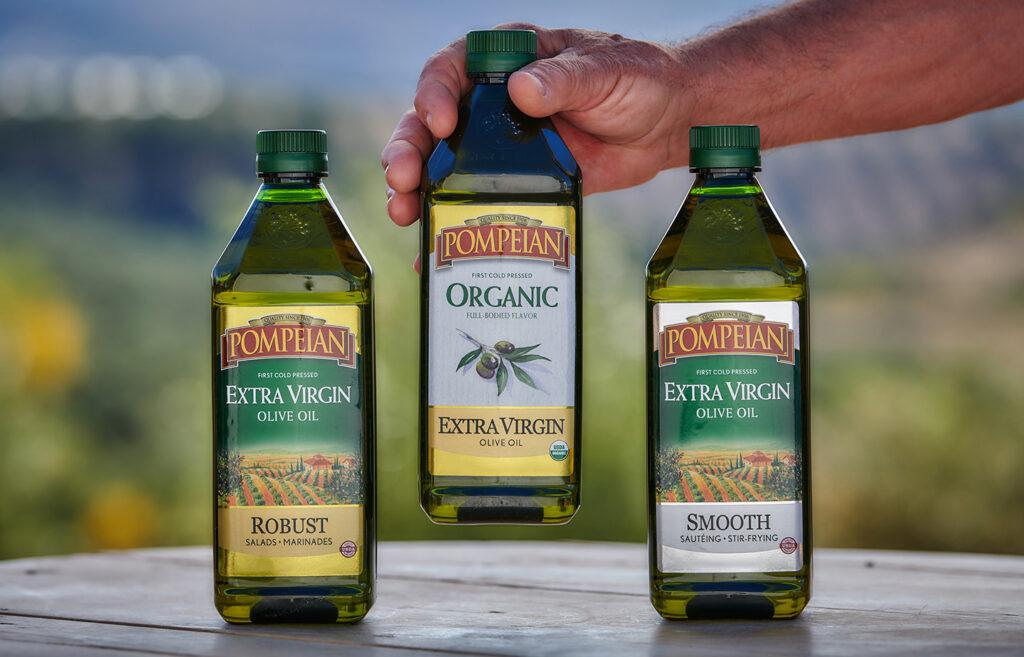
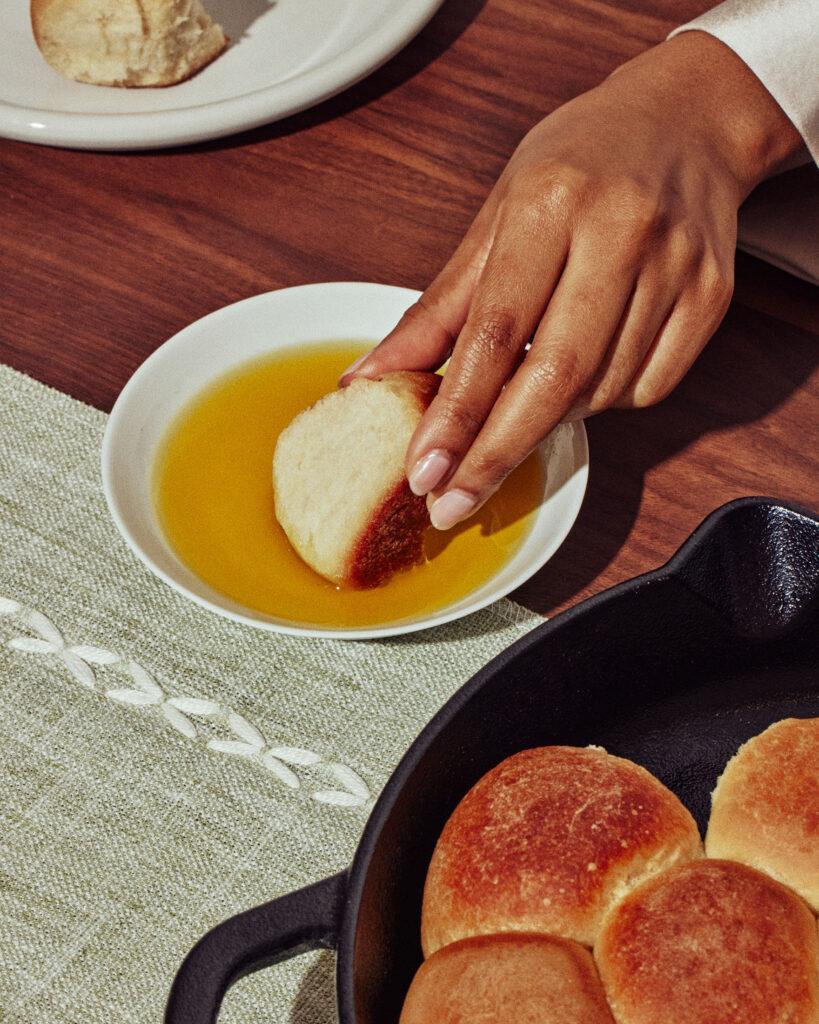
Extra virgin olive oils like Pompeian’s, come in a variety of styles to suit different cooking and flavor preferences. Pompeian’s Smooth Extra Virgin Olive Oil has a mild, versatile taste that works well in sautéing, baking, marinades, and finishing dishes where you want the other ingredients to shine. Pompeian’s Robust Extra Virgin Olive Oil delivers a fuller, more pungent flavor that pairs well with hearty vegetables, grilled meats, pasta dishes, dipping bread, and finishing heated dishes when you want a more flavor-forward EVOO.
Why Extra Virgin Olive Oil Supports Heart Health
You may have noticed a bright, slightly pungent flavor in an olive oil you’ve tried. That taste comes from the natural antioxidant compounds in olive oil called polyphenols. These antioxidants are part of how extra virgin olive oil can support a healthy lifestyle, including supporting blood pressure already within a healthy range, and may help maintain it there.[3] [7] [3]
In addition to antioxidants, extra virgin olive oil is rich in monounsaturated fats. According to the American Heart Association and various research, consuming monounsaturated fats instead of saturated fats can lower the risk of heart disease. [7] [8]
Olive oil supports cardiovascular health due to healthy fats and polyphenols. [2] Together, these two important parts of olive oil’s makeup can promote heart health. Regular consumption of olive oil is associated with cardiovascular wellness. [1]
Beneficial Fatty Acids: Oleic Acid and Cholesterol Management
Extra virgin olive oil contains a unique combination of fats that make it a popular choice in heart-conscious eating patterns. Its primary fat is monounsaturated fat, especially oleic acid, which has been studied for its role in supporting heart health. [7] [8] [7]
Key Fats Found in Extra Virgin Olive Oil
- Oleic Acid (Monounsaturated Fat): Oleic acid is the main monounsaturated fatty acid found in extra virgin olive oil. It has been associated with heart-health benefits and healthy cholesterol support. [7] [8]
- Polyunsaturated Fats: Present in smaller amounts, these fats help round out olive oil’s balanced fatty acid profile. [9]
- Low Saturated Fat Content: Compared to fats like butter, extra virgin olive oil contains relatively low levels of saturated fat, making it a popular substitute in heart-conscious cooking. [9]
How Monounsaturated Fats Support Cholesterol Management
Monounsaturated fats are considered heart-friendly because they can support healthy cholesterol levels when used in place of saturated fats. [7] [8] These fats help maintain healthy levels of HDL cholesterol (the “good” cholesterol) while supporting a more favorable LDL particle profile. [10] This combination supports heart health as part of a balanced diet. [11]
How to Choose Quality Extra Virgin Olive Oil for Heart Benefits
Choosing high-quality olive oil helps ensure you receive both the flavor and nutritional benefits associated with EVOO. Look for products clearly labeled “extra virgin,” which indicates the highest quality grade of olive oil.
Check for Third-Party Certifications
Along with the label “extra virgin olive oil,” look for certifications of quality and third-party verification. For example, bottles of Pompeian olive oils proudly carry the North American Olive Oil Association (NAOOA) Seal. The NAOOA routinely conducts quality checks of olive oils across the country. This seal indicates olive oils that have been certified to consistently reach the NAOOA’s quality standards. [12]
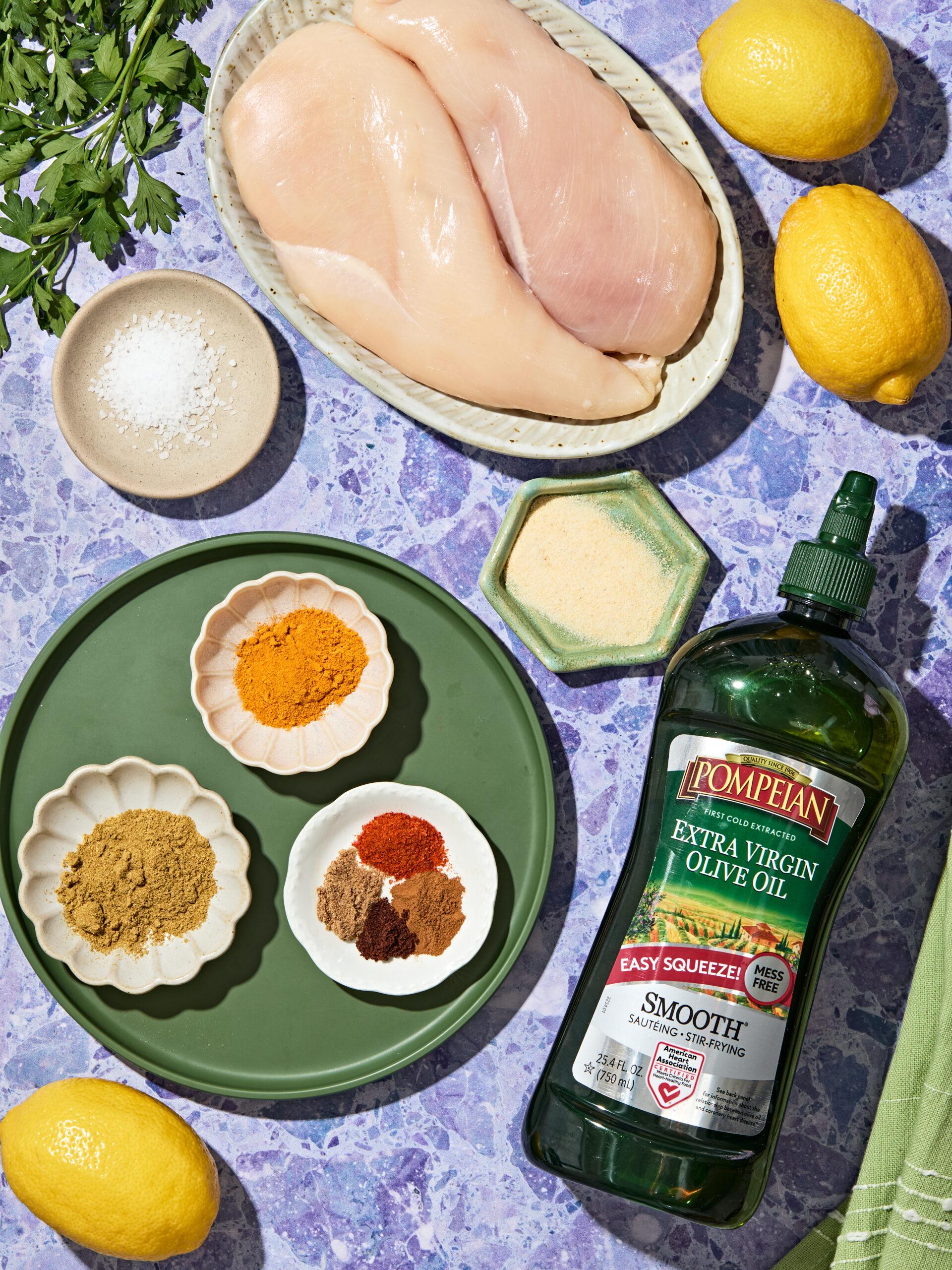
Several varieties of Pompeian olive oils also carry the American Heart Association heart-check mark. [13] The American Heart Association heart check certification indicates it meets criteria for heart-healthy food. Heart-check certification does not apply to serving suggestions. Limited and not conclusive scientific evidence suggests that eating about 2 tablespoons (23 grams) of olive oil daily may reduce the risk of coronary heart disease due to the monounsaturated fat in olive oil. To achieve this possible benefit, olive oil is to replace a similar amount of saturated fat and not increase the total number of calories you eat in a day.
The Importance of First Cold Pressed Extraction
Extra virgin olive oils are first cold pressed. That means oil is pressed from fresh olives at a low temperature to preserve the quality of the oil. Because first cold pressed extra virgin olive oil undergoes minimal processing, it retains natural antioxidants and other benefits, including in nutrition and taste.
Proper Storage to Preserve Nutrients and Flavor
Once you’ve chosen your quality EVOO, proper storage helps keep it fresh and preserve its benefits. Store your well-sealed olive oil in a cool, dark place away from heat and sunlight.
Conclusion: Start Heart-Healthy Cooking with a Quality EVOO
Extra virgin olive oil is more than just a cooking ingredient. It can be a foundation for a heart-healthy diet. With its combination of monounsaturated fats and natural antioxidants, EVOO helps support heart health when used as part of a balanced diet.
Pompeian’s EVOOs, including their Smooth and Robust varieties, are my go-to olive oils to support my passion for cooking and a healthy lifestyle. With consistent quality and authentic taste, Pompeian helps match my tastes and my heart-healthy goals.
Frequently Asked Questions About Extra Virgin Olive Oil and Heart Health
Is extra virgin olive oil good for the heart?
Research suggests that extra virgin olive oil contains unsaturated fats and antioxidant compounds that support heart health. [1] [2] [3] [4]
Is olive oil healthier than butter for the heart?
According to research findings, olive oil provides a more heart-friendly fat profile compared to butter. [14] Replacing butter with plant-based oils like olive oil has been shown to support healthier LDL cholesterol levels when used as a replacement for butter in the diet.
Can I cook with extra virgin olive oil without losing its benefits?
Yes. Extra virgin olive oil works well for everyday cooking and retains many of its beneficial compounds. Using it regularly as a replacement for saturated fats is one way to support heart health. [7] [8]
The nutrition and wellness information provided in this article reflects the professional expertise and independent opinions of the contributing Registered Dietitian. It is intended for educational purposes only and should not be interpreted as medical advice. The views expressed do not necessarily represent the positions, beliefs, or recommendations of Pompeian, Inc. or its brands. Always consult a qualified healthcare provider for personalized guidance regarding your health and dietary needs.