Choosing the right olive oil can feel surprisingly complicated. With different grades, labels, flavors, and price points lining the shelves, it’s easy to second-guess what belongs in your cart. That’s why we’ve put together this guide to give you the information you need to pick the best olive oil for your tastes and needs.
This guide is designed to help home cooks confidently select the best olive oil for every kitchen need, including balancing flavor, nutrition, quality, and budget. Along the way, we’ll share practical tips you can use every day and highlight how trusted producers like Pompeian focus on quality, traceability, and consistency so that you can rely on your olive oil.
Understanding Olive Oil Grades and Quality
Not all olive oils are created equal. Understanding the main grades helps you choose an oil that delivers the flavor, performance, and the value you expect. [1] [2]
Extra virgin olive oil (EVOO) is the highest grade of olive oil. It’s produced by first cold pressing of olives with oil extraction that involves mechanical means with no heat or chemicals involved. This preserves the oil’s natural flavor, aroma, and antioxidants. Sensory and quality criteria must be met including fruity characteristics, no sensory defects and a have a free acidity of 0.8% or lower. [5]
Virgin olive oil is also mechanically extracted but has slightly higher acidity or minor flavor imperfections compared to EVOO. It’s less common on U.S. shelves but can still work well for everyday cooking.
Refined or “light” olive oil is made by refining olive oil that does not meet the criteria of extra virgin olive oil. Heat is applied to this olive oil that is filtered to remove color, aroma and flavor. Following this process, small amounts of extra virgin olive oil are added back into the oil to the bring it to the desired flavor and color. The word “light” here refers to flavor, not calories. These oils have a neutral taste and higher smoke point, making them a dependable choice for high-heat cooking.
Pomace oil is the lowest grade and is considered a cooking oil rather than olive oil. It’s often solvent-extracted from leftover olive pulp and lacks the flavor and health benefits of higher grades. It is often used due to its cost value as a cooking oil.
Identify Key Labels and Certifications
Olive oil labels can be confusing, but a few trusted markers can help cut through the noise. Certification marks are seals from independent organizations that verify an oil’s authenticity, purity, and freshness through lab testing and sensory evaluation. Two respected examples include the International Olive Council (IOC) and the North American Olive Oil Association (NAOOA). [3] [4] The NAOOA certification includes the texting of olive oils from supermarkets across the U.S. and Canada several times a year to ensure they adhere to purity and quality standard as set by the IOC. [4]
Brands like Pompeian emphasize traceability by clearly sharing sourcing information, quality standards, and testing practices. On Pompeian packaging, country or countries of origin are listed on the back. In fact, traceability, reliability and consumer trust are so important to Pompeian that any consumer can contact Pompeian via phone or online with the lot number listed on their product to find out the exact farm that produced the oil in their bottle.
This helps shoppers make informed choices with confidence. For example, with extra virgin olive oils, the enforcement of “extra virgin” standards varies globally, meaning not every bottle labeled EVOO meets the same benchmarks. [1] [3] [4] That’s one of the reasons why sourcing and transparency matter.
Evaluate Packaging and Storage Best Practices
Even the best olive oil can lose its quality if it’s poorly packaged or stored. Light, heat, and air are olive oil’s biggest enemies. That’s why it’s smart to choose oils packaged in dark or opaque containers, which help protect antioxidants and slow oxidation. [6] [7]
Buying the right size matters, too. If you don’t cook with olive oil daily, smaller bottles help ensure the oil stays fresh longer. Once opened, even high-quality olive oil is best used within a few months. At home, store olive oil in a cool, dark place, away from stovetops, ovens, or sunny windows. [6] [8]
Match Olive Oil Types to Your Cooking Needs
Using the right olive oil for the right job maximizes both flavor and value. Many home cooks swear by having two bottles of olive oil in their kitchens, one olive oil for everyday cooking and one for finishing with flavor. [8] [9]
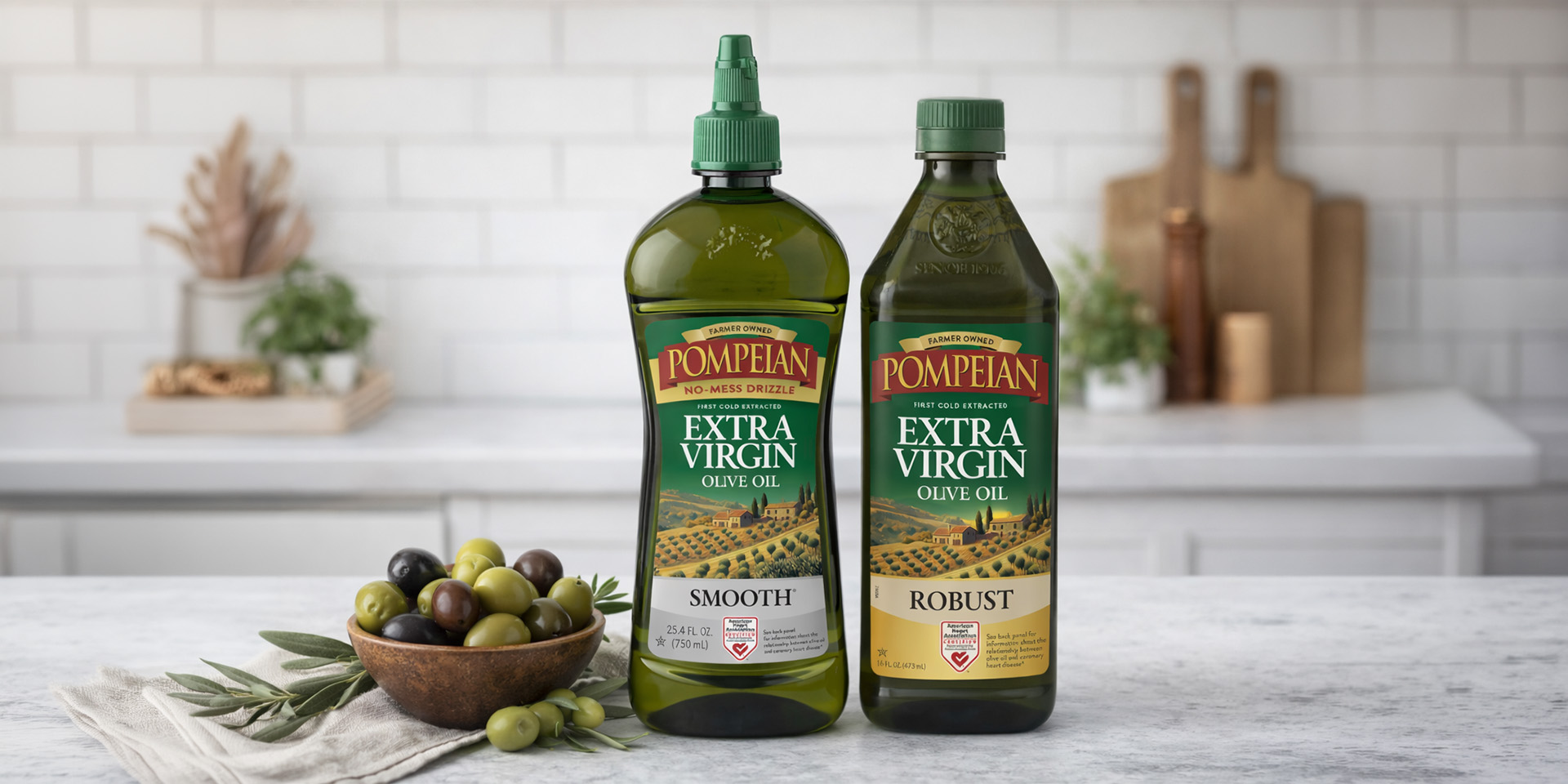
- Everyday cooking: Use refined or light olive oil for frying, roasting, sautéing, and baking such as Pompeian’s Smooth EVOO. For further suggestions on the best olive oil to use with different cooking methods, visit Pompeian’s informative guide. Extra Virgin Olive Oil has been shown to be the most stable cooking oil when compared to a range of other cooking oils. [12]
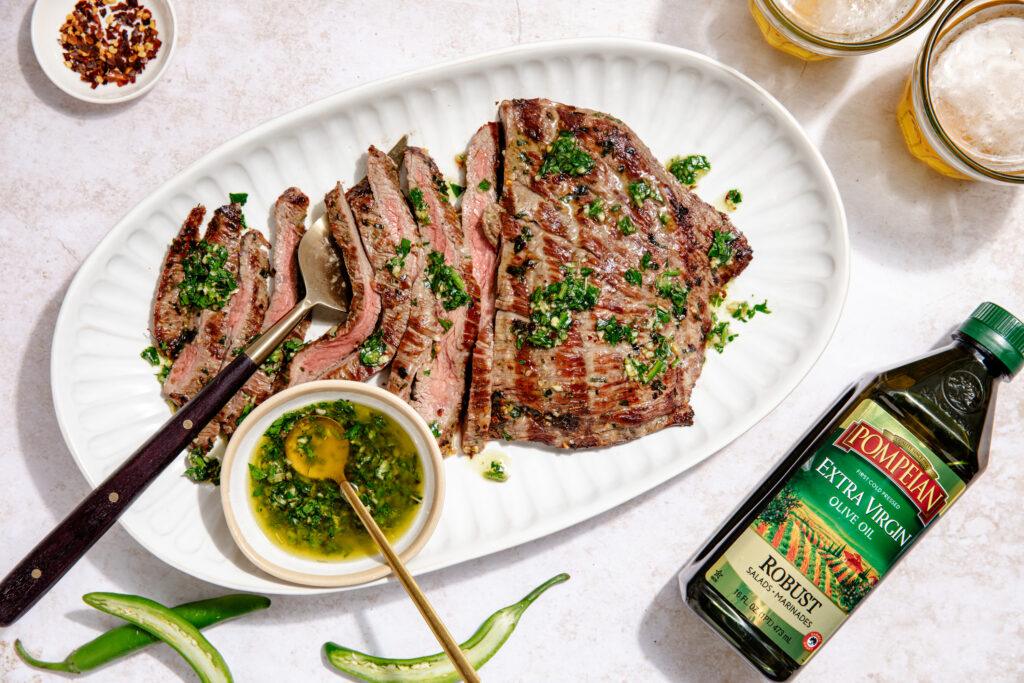
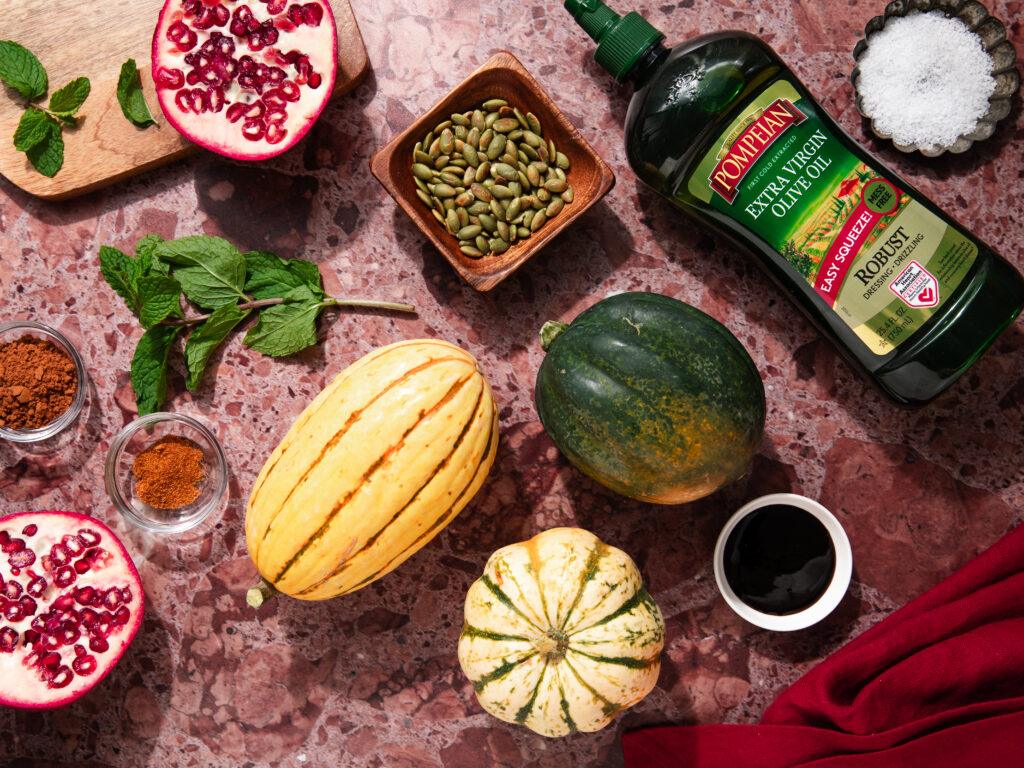
- Finishing with flavor: Utilize robust, high-quality EVOOs such as Pompeian’s Robust EVOO for salads and dressings. for salads, dressings, drizzling, and finishing touches, where its aroma, complexity, and antioxidants truly shine. Specialty oils, like infused or unfiltered varieties, are best used as finishing oils, where their unique flavors can take center stage. [8] [9]
Trust Your Senses: Smell and Taste for Freshness
One of the most reliable ways to judge olive oil quality is by using your senses. When trying extra virgin varieties, consider that fresh EVOO should smell clean and fruity, often with notes reminiscent of olives, green apple, or freshly cut grass. To best sample or check for those qualities at home, follow these steps: [10] [11]
- Pour a small amount into a spoon.
- Warm it gently with your hand.
- Smell deeply and then take a small sip.
You can look for balanced fruitiness, mild bitterness, and pungency. That peppery sensation is a sign of beneficial polyphenols. However, if the oil smells musty, waxy, wine-like, or rancid, it has deteriorated and should be discarded. [10] [11]
Practical Buying Checklist for the Best Olive Oil
Next time you’re searching for the best olive oil for your needs and tastes, this practical checklist may help guide you:
- Decide how you’ll use it (finishing or high-heat cooking).
- Select the right grade (EVOO for flavor, light/refined for heat).
- Check the bottle: dark or opaque packaging, clear producer information.
- Look for certifications and traceability details (NAOOA seals).
- Trust your senses: fruity and pungent is good.
- Buy sizes that match your usage and store properly to reduce waste.
Choosing oils from transparent, reputable producers like Pompeian helps balance cost, flavor, and nutritional benefits while ensuring consistent quality.
Conclusion: Confidence Starts with the Right Bottle
Picking the right olive oil doesn’t require a sommelier’s palate or an expert’s lifetime of experience. You just need a bit of know-how and trust in what you’re buying. By understanding olive oil grades, recognizing meaningful labels, choosing smart packaging, and matching oils to how you cook, you can bring better flavor and value into your kitchen every day.
Whether you’re sautéing weeknight vegetables or finishing a favorite salad, high-quality olive oil that is sourced responsibly and handled with care makes all the difference. Brands like Pompeian continue to build that trust through transparency, consistent standards, and a long-standing commitment to quality, helping home cooks like you feel confident from the shelf to the stove to the food on your plate.
Frequently Asked Questions
What are the different types of olive oil, and which should I use?
The main types include extra virgin (highest quality, ideal for salads and drizzling), virgin (good for low-heat cooking), and refined or light olive oil (best for high-heat cooking due to its neutral flavor and higher smoke point).
How do I identify high-quality olive oil on store shelves?
Look for a dark or opaque packaging, clear country or producer origin, and trusted certifications such as the NAOOA certified seal. A fresh, fruity aroma is a good indicator of quality.
What is the best olive oil for cooking versus finishing dishes?
Use smooth extra virgin olive olive oil for sautéing or frying such as Pompeian’s Smooth EVOO and reserve robust extra virgin olive oil such as Pompeian’s Robust EVOO for salads, drizzling, and finishing dishes where its flavor stands out.
How should I store olive oil to maintain its quality?
Store olive oil in a cool, dark place with the bottle tightly sealed. For best flavor, use it within a few months of opening.