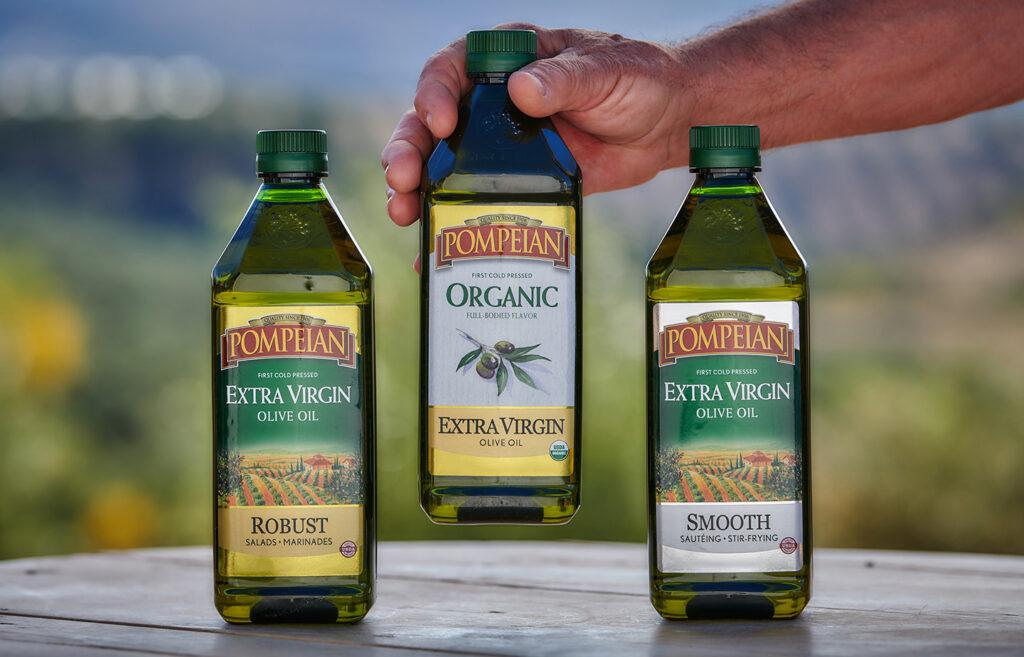
For home cooks who care about flavor, nutrition, and where their food comes from, olive oil deserves the same attention we give to our other ingredients. With a little know-how, choosing high-quality olive oil doesn’t have to feel intimidating.
By learning what to look for on the bottle, how to read labels, and how to store olive oil once it’s home, you can confidently select oils that deliver authentic flavor, real health benefits, and the transparency today’s cooks expect.
Below, we break down the most reliable, evidence-based ways to choose the high-quality olive oil you want in your kitchen and to add to your favorite meals.
Inspect the Bottle for Quality Indicators
Before you read a single word on the label, the bottle itself offers important clues about what’s inside. Packaging plays a major role in protecting olive oil’s freshness, flavor, and nutritional value over time. Brands that invest in proper packaging signal a commitment to quality long before the oil ever reaches your kitchen.
The Container
When you look for quality, start with the container. Quality olive oil is most often sold in dark or fully opaque packaging. These materials protect oil from light and oxygen, two of olive oil’s biggest enemies. Studies show that exposure to light accelerates oxidation, degrading flavor, aroma, and nutritional value. [1]
Trusted Companies
Look for olive oil from trusted companies, like Pompeian, which uses dark, protective packaging designed to help preserve the integrity of its oils from the mill to your pantry.
Check the Seal
As with any packaged product you buy from your grocery store, make sure the packaging seal is intact before you purchase.
Read and Understand the Label Information
Once the packaging passes the test, the label becomes your roadmap to understanding what’s really in the bottle. A trustworthy olive oil label should inform and empower consumers to make knowledgeable purchases, not overwhelm or obscure information.
High-quality olive oil labels typically include:
- Country or region of origin
- Oil grade (extra virgin, virgin, refined, etc.)
Transparency
As you read the label, it’s helpful to remember that transparency is more important than marketing language. When possible, seek oils that clearly identify origin, region, and other information. Meaningful transparency, like traceability, third-party certifications, or tasting notes, builds real trust. Using the lot number on the back of a Pompeian bottle, you can find out exactly which farm our oil came from.
The Story
Great olive oil often tells a story: the farm, the growers, the region, even the olive varieties used. Trusted olive oil companies should include this information somewhere you can find it, such as on their website.
For example, as a farmer-owned company, Pompeian emphasizes traceability and clear sourcing, visible on packaging and website, helping consumers feel confident about their olive oil and the details that matter.
Evaluate Price and Seller Credibility
Price and producer reputation often work hand in hand when it comes to olive oil quality. The highest olive oil price doesn’t guarantee excellence, while the lowest price may not indicate the purity, type or refining processes you want. Knowing what goes into producing authentic extra virgin olive oil can help set realistic expectations and avoid disappointment.
Realistic Pricing
Understanding realistic pricing can be helpful, as producing authentic products like extra virgin olive oil is labor-intensive and time-sensitive. Olives must be harvested at the right moment and pressed quickly to preserve quality.
Even so, you don’t need to pay the highest prices to afford quality olive oil. For example, while the prices vary based on things like type and size, Pompeian extra virgin olive oils average between $.27 and $.56 an ounce, putting quality within reach for many consumers.
Established Brands
Another important step is to choose producers you can trust. Established brands with a history of transparency, and especially farmer-owned or grower-direct producers, tend to offer greater accountability. Pompeian is farmer-owned and has worked directly with olive growers for generations, offering consumers assurance that quality and authenticity are prioritized at every step.
Look for Certifications and Quality Seals
Trusted certifications and quality seals act as an extra layer of accountability, These are a good step in verifying that an olive oil meets strict standards beyond the brand’s own claims.
Certification Seal
A certification seal is awarded by an independent organization that verifies an olive oil meets strict standards for purity, production methods, and sensory quality through lab analysis and tasting panels.
Certification Standards
Certification programs are guided by standards set by organizations like the International Olive Council (IOC) and U.S. Department of Agriculture (USDA), supported by modern laboratory testing. [2] [3] These seals help protect consumers from misleading claims and ensure oils meet recognized quality benchmarks.
Trusted Certifications
For consumers, these recognized certification seals can speak to quality and standards in the olive oil you’re purchasing. Trusted certifications include the North American Olive Oil Association (NAOOA) Certified seal. [4] These programs require oils to pass both chemical testing and professional sensory evaluation.
Quality olive oil producers like Pompeian proudly participate in recognized certification programs, underscoring their dedication to quality and consumer trust.
Proper Storage and Usage Practices for Olive Oil
Even the highest-quality olive oil needs thoughtful care once it’s home. Storage and usage habits can significantly impact how long olive oil retains its flavor, aroma, and health benefits. For best results in maintaining your olive oil’s quality and freshness, keep it in a cool, dark place such as a cupboard, away from heat sources like stoves or sunny windows.
It’s recommended that olive oil should be used no more than two years from its bottling date. [5] Always reseal the bottle tightly after use, which helps to slow oxidation and preserve flavor.
Choosing Olive Oil with Confidence
Choosing quality olive oil doesn’t have to be complicated once you know what to look for. By paying attention to packaging, labels, pricing, and certifications, you can confidently select high-quality options that reflect your values as a thoughtful home cook.
Quality olive oil can bring more than its flavor and dietary benefits. By choosing a brand you enjoy and trust, your olive oil can bring care and craftsmanship to every meal you add it to. Pompeian’s farmer-owned model, commitment to transparency, and adherence to rigorous quality standards make it a dependable choice for cooks who want authentic olive oil without guesswork.
Frequently Asked Questions
How do I identify high-quality extra virgin olive oil?
High-quality extra virgin olive oil typically comes in a dark container, features reputable certifications, and provides transparent information about origin and production.
What should I look for on the label when buying olive oil?
Look for details like country or region of origin, olive cultivars, and certifications from independent organizations. These help confirm quality and authenticity.
Why is olive oil transparency and origin important?
Clear origin and transparency help ensure olive oil is authentic, traceable, and produced using high standards, reducing the risk of adulteration or misleading claims.
What does a certification seal on olive oil mean?
A certification seal indicates an olive oil that has passed independent laboratory and sensory testing and meets strict standards for purity and quality. Look for trusted certifications such as the NAOOA certified seal.