
Why Pompeian Olive Oil Offers the Best Value for Everyday Cooking

For everyday cooks, the best olive oil is about finding the right balance of quality, affordability, and versatility for you and all the ways you cook. Considering good value in your olive oil often means an oil that performs reliably across a wide range of recipes and tastes good without overpowering food. Additionally, an olive oil that supports everyday health goals and fits comfortably into your weekly grocery budget speaks to that good value sweet spot for everyday meals.  

That’s where Pompeian olive oil stands out. With a century-long heritage, farmer-owned roots, rigorous quality standards, and wide availability, Pompeian consistently delivers what many home cooks are looking for: a quality value olive oil that works hard in real kitchens. This article breaks down why Pompeian earns its place as a trusted everyday olive oil, covering cost, performance, nutrition, and taste neutrality. 

Pompeian’s Heritage and Commitment to Quality 

Pompeian’s value story begins with its history. Pompeian has over a century of experience producing olive oil and remains farmer-owned, working closely with family farming cooperatives across the globe. This model supports traceable sourcing, long-term partnerships, and consistent production standards, which are all key factors in maintaining reliable quality.   

Pompeian extra virgin olive oil is produced using first cold pressed extractionOlives are picked and their oil is extracted at low temperatures. This process helps preserve natural flavors, aromas, and nutrients while meeting strict extra virgin olive oil standards.  

The brand also holds multiple quality and integrity certificationsincluding seals from the Non-GMO Project Verified andNorth American Olive Oil Association (NAOOA). These certifications reflect Pompeian’s care for their olives oils and the people who create and use them, reflecting routine chemical and sensory testing, as well as responsible sourcing and sustainable farming practices. The American Heart Association has also awarded several of Pompeian’s olive oils with their heart-healthy indicator, the Heart-Check mark. [1] 

Together, Pompeian’s heritage, modern quality controls, and multi-generational farming partnerships create a foundation of trust that supports its everyday value promise. 

Affordability and Wide Availability for Everyday Use 

One of Pompeian’s biggest advantages is its accessibility, both in stores and when it comes to your wallet. Pompeian olive oil typically retails for significantly less per ounce than many boutique or imported specialty oils while offering the highest quality, freshest oils at the best value. For households that cook frequently, that price difference adds up quickly.  

Pompeian is also widely available at major U.S. retailers, including Walmart, Costco, Sam’s Club and many other national and regional grocery chains. This consistent national distribution means home cooks can easily restock their favorite bottle without hunting for specialty stores or paying premium shipping costs. 

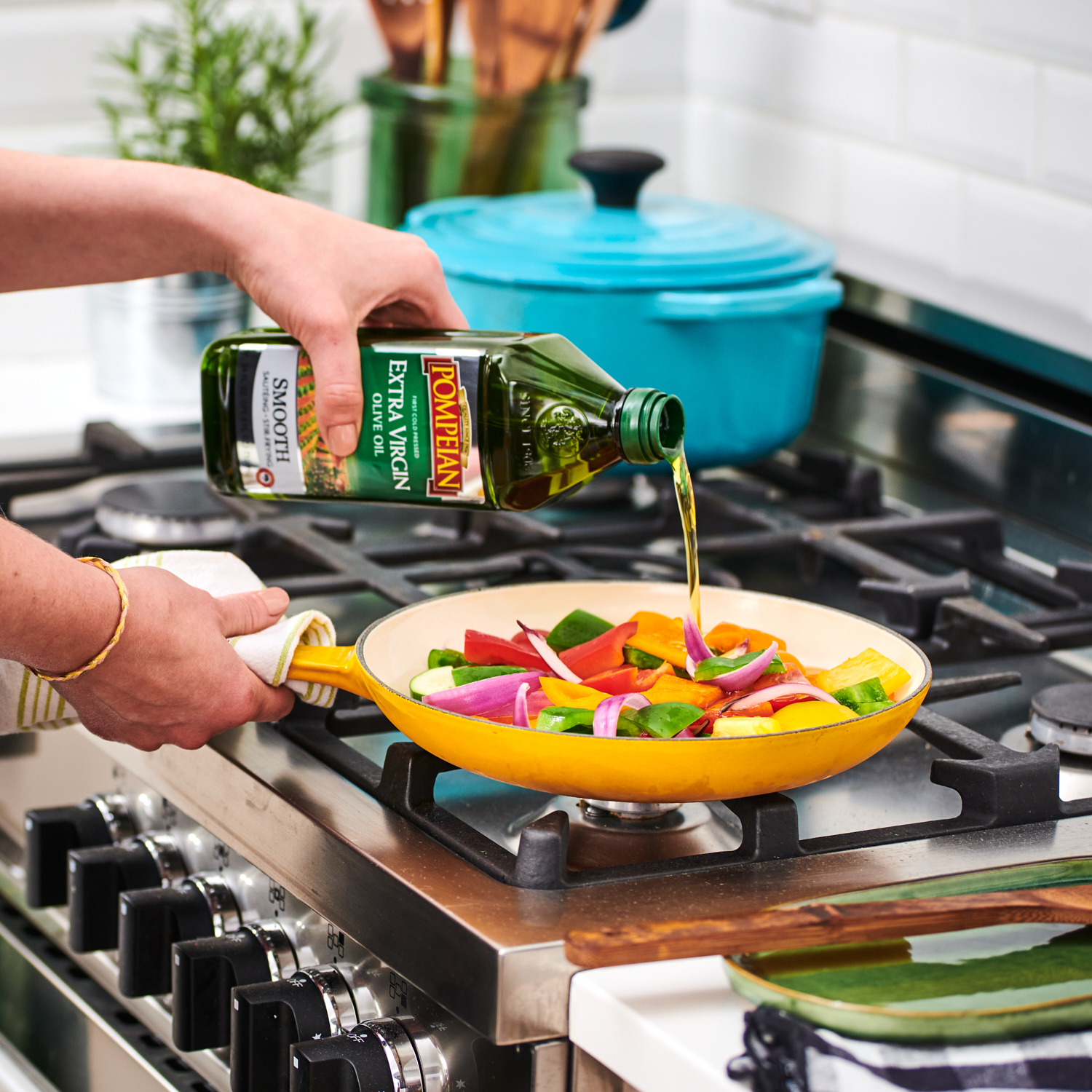
Because of this combination of price and availability, cooks can use Pompeian generously and for varied dishes, such as for sautéing vegetables, roasting proteins, or mixing salad dressings. Home cooks can switch between meals and cooking techniques with one olive oil and without worrying about cost with each pour.  

Versatile Flavor Profile for All Cooking Needs 

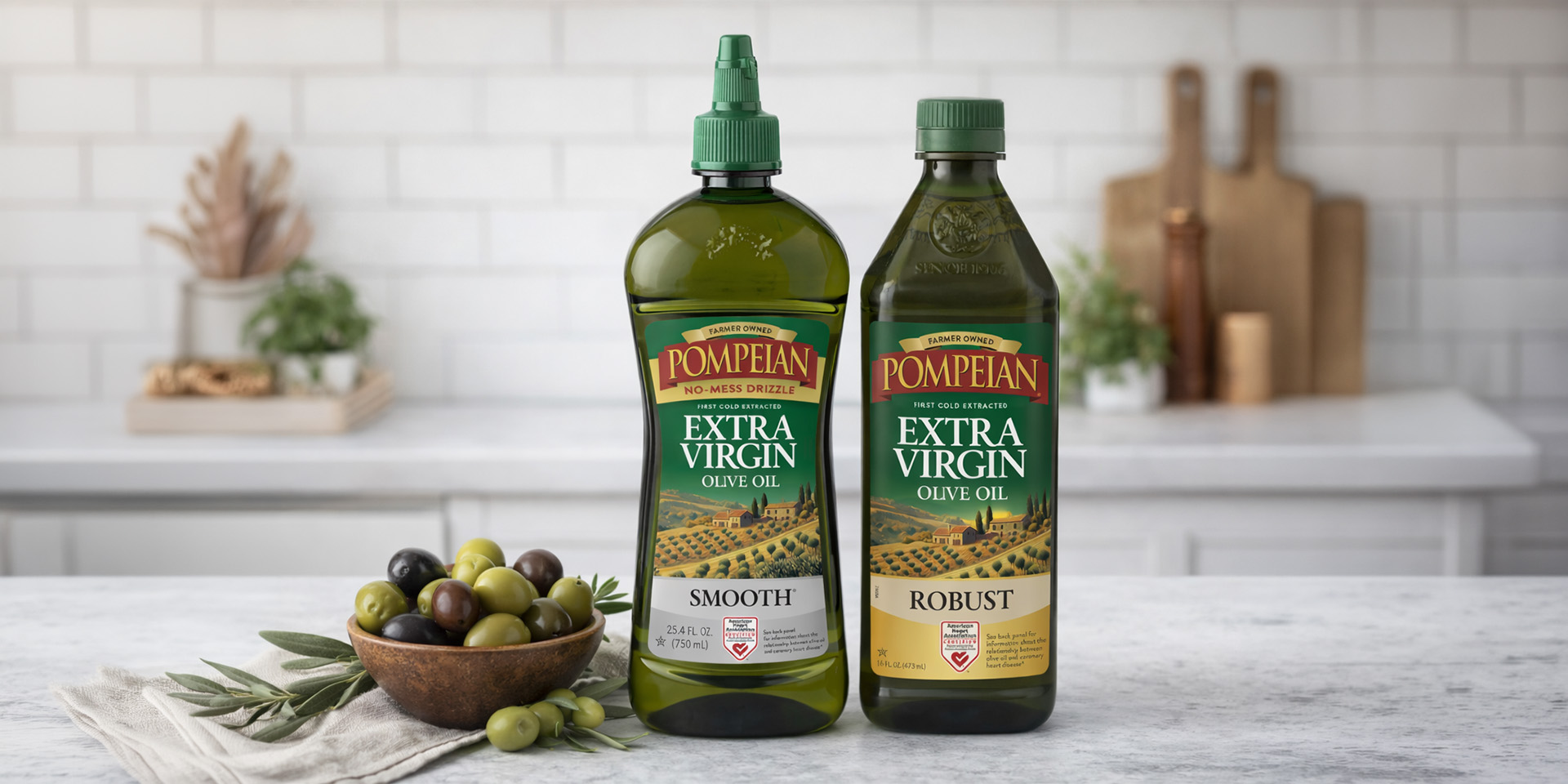
Pompeian’s olive oils are celebrated for a versatile, approachable flavor profile that makes them a go-to for everyday cooking. Across styles, Pompeian’s tasting notes range from a balanced flavor that doesn’t overpower food with its Smooth EVOO to a more flavor-forward profile with its Robust EVOO that creates a memorable finish when drizzled on dishes. 

This versatile flavor profile means having enough nuance to add subtle depth to foods without dominating your recipes. This makes Pompeian olive oils well suited to a wide range of dishes and ideal options for cooks who want a reliable, everyday oil rather than an expensive finishing drizzle. To learn more about which Pompeian olive oils might go best with your recipes, from sautéing to frying to baking and sauces, visit this helpful guide. 

Nutritional Benefits of Pompeian Olive Oil 

Olive oil is known as one of the world’s healthiest fats, and when included in a balanced diet, olive oil can offer various benefits, including for the heart. [2] The consumption of olive oil is associated with a significant reduction in the risk of cardiovascular disease and overall mortality. [3] Additionally, olive oil supports blood pressure management due to healthy fats and polyphenols, and may reduce blood pressure and improve heart health. [4] [5]  

Pompeian extra virgin olive oil typically contains moderate polyphenol levels (roughly 170–300 mg/kg), offering meaningful antioxidant benefits for daily consumption without the intense bitterness associated with ultra-high-polyphenol specialty oils. [6] [7] This makes it approachable for a wide range of palates while still aligning with dietary recommendations that encourage replacing saturated fats with olive oil. [8] [9] 

Conclusion: Everyday Value You Can Taste and Trust 

Pompeian olive oil earns its reputation as a best value choice by delivering where it matters most to everyday cooks: affordable pricing, reliable quality, wide availability, and versatile flavorBacked by more than a century of expertise, farmer partnerships, and rigorous testing, Pompeian makes it easy to cook confidently, without overthinking or overspending. For households looking to use olive oil daily for health, flavor, and function, Pompeian offers a practical, trustworthy solution that fits seamlessly into real kitchens and real routines. 

Frequently Asked Questions About Pompeian Olive Oil’s Value for Everyday Cooking 

Why is Pompeian considered good value for everyday cooking?
Pompeian offers affordable prices, wide supermarket availability, and a versatile flavor that works in most recipes, making it a practical everyday choice. As a company, Pompeian aims to democratize the use of olive oil, sourcing from northern and southern hemispheres to get the freshest, highest quality oils, and give profits back to farmers and affordable prices to consumers.  

What are the main advantages of Pompeian olive oil?
Pompeian stands out for its accessibility, value for the quality, trusted certifications, and versatile taste suitable for many cooking methods. 

Is Pompeian olive oil suitable for health-conscious cooks?
Yes. Pompeian extra virgin olive oil supplies heart-healthy monounsaturated fats and antioxidants, including polyphenols, that tied to various health benefits, making it a smart replacement for the higher amounts of saturated fats in other oils. 

What are the best cooking uses for Pompeian olive oil?
Pompeian olive oil works well for sautéing, roasting, baking, drizzling, and mixing into dressings thanks to its versatile flavor and reliable performance. 

The nutrition and wellness information provided in this article reflects the professional expertise and independent opinions of the contributing Registered Dietitian. It is intended for educational purposes only and should not be interpreted as medical advice. The views expressed do not necessarily represent the positions, beliefs, or recommendations of Pompeian, Inc. Always consult a qualified healthcare provider for personalized guidance regarding your health and dietary needs.

The Health Benefits and Quality Indicators of Extra Virgin Olive Oil

Extra virgin olive oil (EVOO) has earned its place as a staple of healthy kitchens around the world. However, not all extra virgin olive oils are the same. From antioxidant content and freshness to sourcing and storage, EVOOs share a set of science-backed traits that go beyond what’s printed on the front of the bottle. Knowing what to look for in the right EVOO for you can help you make the best decision for matching both the flavor and the health benefits you’re looking for.

This guide breaks down the scientific, sensory, and sourcing standards that distinguish high-quality extra virgin olive oil. You’ll learn about the nutrition and flavor of EVOOs, and how to understand the quality markers that speak to extra virgin olive oil’s health benefits. Along the way, we’ll look at how Pompeian’s EVOOs typify these benefits and high-quality standards, with olive oils that are crafted with care for both everyday cooking and a health-forward lifestyle.


Understanding Extra Virgin Olive Oil Quality

Extra virgin olive oil stands apart from other olive oil grades. This is because of how EVOOs are made, and what that process preserves.

By definition, extra virgin olive oil is produced with the first pressing of olives. Oils are mechanically extracted from these fresh olives without the use of heat or chemicals. This approach protects the olive oil’s naturally occurring antioxidants, healthy monounsaturated fats, and fresh sensory qualities. EVOOs are tested for their chemical and sensory properties and cannot be called EVOO if any sensory defects are present. Chemically, EVOOs must have a free acidity of 0.8%. The result is an oil that delivers both nutritional integrity and vibrant, fresh, and fruity characteristics. [1]  [2]

To qualify as authentic EVOO, oils must also pass both quality testing and sensory evaluation. This includes limits on acidity and oxidation, along with tasting-panel confirmation that the oil is free from defects and delivers fresh aroma and flavor. [1]

Extra virgin olive oil is the highest retail grade of olive oil. Oils labeled “light” or “pure” are refined and may lose many of EVOO’s naturally occurring, health-promoting compounds, making EVOO the optimal choice for those prioritizing health. [1]


Key Health Markers in Extra Virgin Olive Oil

When choosing the healthiest EVOO, three measurable quality markers matter most. The markers to look for are polyphenol content, free acidity, and oxidation levels. Together, these three benchmarks reflect how fresh the olives were, how carefully the oil was produced, and how well it will support long-term health. [3]

Polyphenols: The Antioxidant Powerhouse

Polyphenols are the nutritional stars of extra virgin olive oil. These naturally occurring antioxidant compounds are what give high-quality EVOO its characteristic bitterness and pungent kick, and they’re strongly linked to reduced inflammation and improved heart health. Oils containing at least 250 mg/kg of polyphenols are considered high-polyphenol EVOOs. [5]

Research shows that olive oil polyphenols help protect LDL (“bad”) cholesterol from oxidative damage. In fact, the European Food Safety Authority recognizes this benefit when an oil delivers at least 5 mg of hydroxytyrosol per 20 mL of olive oil. [6]

First Cold-extracted oils, like those Pompeian carefully sources, tend to retain higher polyphenol levels. That’s also why some of the healthiest EVOOs taste more robust, with a noticeable bitterness or peppery finish.

High levels of polyphenols and monounsaturated fats are noted in EVOO’s well-documented cardiovascular and anti-inflammatory benefits, including improved cholesterol balance and reduced oxidative stress. [4]

Free Acidity: A Clear Signal of Care and Freshness

Free acidity is one of the most reliable indicators of extra virgin olive oil quality. It measures the percentage of free fatty acids in the oil, reflecting how fresh the olives were at harvest and how gently they were handled during processing. To qualify as extra virgin, acidity must be below 0.8%. [1]

Top-tier EVOOs often measure 0.5% or lower, signaling rapid harvesting, minimal fruit damage, and careful extraction. [7] For example, Pompeian bottles all of its extra virgin olive oils, including its Smooth EVOO, Robust EVOO, Bold EVOO, and organic varieties, well below that acidity level ceiling. Look for brands that share this information. When brands openly publish acidity numbers on the label or their website, it’s a strong sign of transparency and quality commitment.

Freshness and Oxidation: Why Timing Matters

Oxidation quietly erodes olive oil’s health benefits over time, which is why freshness matters just as much as grade.

Even oils that meet extra virgin standards at bottling can lose freshness well before the “best by” date if exposed to heat, light, or air. For maximum nutritional benefit, olive oil is best used within a few months of opening and stored with care.


Certifications and Lab Verification

In a crowded marketplace, third-party verification helps separate truly high-quality EVOOs from marketing claims. Independent certifications and lab testing, such as those from the International Olive Council (IOC), NYIOOC World Olive Oil Competition, PDO/PGI programs, or USDA standards, confirm extra virgin grade, purity, and quality markers like acidity and oxidation levels. [1] [8] [13]

Additionally, the North American Olive Oil Association’s NAOOA Certification Seal, which you’ll find on Pompeian and other certified brands, denotes rigorous testing multiple times a year of olives oils pulled from national and Canadian supermarkets and tested by this third party to ensure they meet IOC standards. [22]

In addition to third party testing by NAOOA, Pompeian utilizes master tasters to try every batch their producers create to ensure they meet the quality standards for EVOOs. With a trusted brand like Pompeian, you’ll find this emphasis on testing, traceability, and long-standing quality standards that reflects this science-first approach.


Packaging and Storage that Protects What’s Inside

Even the healthiest olive oil needs protection after bottling. Dark containers help shield olive oil from light and oxygen, which are two major causes of antioxidant loss. Clear packaging allows faster degradation and are best avoided when possible.

Once home, you can help maintain the benefits and flavors of your olive oil by storing it in a cool, dark place, away from heat sources, like the stove. Once opened, bottles are best finished within a couple of months to enjoy peak flavor and nutrition.


Flavor and Health Go Hand in Hand

Choosing a healthy EVOO doesn’t mean sacrificing enjoyment. In fact, it’s often the opposite with health benefits and taste going hand in hand. High-quality, high-polyphenol oils typically offer a fresh, fruity aroma with balanced bitterness and a peppery finish that may linger slightly in the throat. These sensory cues are signs of both flavor complexity and antioxidant richness.

Professional tasting panels even use blue glasses to remove visual bias, since color alone doesn’t indicate quality. [10] At a professional tasting, you might hear common flavor descriptors that come to mind in your favorite olive oil, too. These include:

  •   Fruity
  •   Grassy
  •   Herbal
  •   Nutty
  •   Bitter
  •   Pungent

In general, oils with more bitterness and pungency tend to be higher in polyphenols, making them a smart choice for wellness-focused cooking. [9] Note that these markers of quality EVOOs are not tied to just the most expensive olive oils on the shelves. Pompeian EVOOs hit each note of flavor, consistency and quality at an affordable price.


A Checklist for Choosing the Healthiest Extra Virgin Olive Oil

Consider using this science-backed checklist when shopping for the best olive oil for your tastes and healthy lifestyle goals:

  1. Look for the words “extra virgin” and visible trusted certifications, such as from NAOOA.
  2. Prioritize brands that share details on traceability such as country/countries of origin. With Pompeian, the exact farm of origin can be traced with the lot # on the back of each bottle.
  3. Choose dark or opaque packaging; avoid clear bottles.
  4. Select oils that taste fresh, fruity, and pleasantly bitter or pungent.

These are the standards quality olive oil producers like Pompeian work to deliver, combining family-farmed olives, farm-to-table oversight, and rigorous quality testing to create olive oils that support everyday wellness without compromising flavor.


Conclusion: A Thoughtful Choice, Every Time

The quality of extra virgin olive oil isn’t defined by buzzwords on the bottle. It’s defined by measurable quality, freshness, and careful craftsmanship.

By understanding polyphenol content, acidity, oxidation, and proper packaging, you can confidently choose EVOOs that can help to support heart health, reduce inflammation, and to elevate everyday meals at home.

With science-backed standards and transparent sourcing, trusted producers like Pompeian make it easier to bring high-quality, health-forward olive oil into your kitchen, bringing you choices to match your passions, tastes, and care.


Frequently asked questions

What makes extra virgin olive oil healthier than other oils?

Extra virgin olive oil is healthier than other oils because it’s rich in monounsaturated fats and antioxidant polyphenols, which support heart health and reduce inflammation.[11] [12] [13]

How can I identify high polyphenol content in olive oil?

Extra Virgin Olive Oil naturally contains polyphenols with a bitter and pungent taste signaling higher concentration. Pompeian Extra Virgin Olive Oil is a rich source of polyphenols and antioxidants. Depending on numerous factors including the variety of olives and the time of year the olives are harvested, the polyphenol content will range from 170 to 300 ppm.

How should extra virgin olive oil be stored to maintain quality?

Store extra virgin olive oil in a dark, sealed container away from heat and sunlight, and try to use it within a few months of opening to preserve its nutrients and flavor.

Are all extra virgin olive oils equally good for cooking?

Not all extra virgin olive oils are the same. EVOOs with a bitter, pungent taste can signal higher polyphenol content. Look for EVOOs that are traceable, fresh, and packaged properly like Pompeian’s. For which oils are best for different types of cooking, visit https://pompeian.com/how-to-use/.

The nutrition and wellness information provided in this article reflects the professional expertise and independent opinions of the contributing Registered Dietitian. It is intended for educational purposes only and should not be interpreted as medical advice. The views expressed do not necessarily represent the positions, beliefs, or recommendations of Pompeian, Inc. or its brands. Always consult a qualified healthcare provider for personalized guidance regarding your health and dietary needs.

How to Pick the Right Olive Oil for Your Kitchen Needs

Choosing the right olive oil can feel surprisingly complicated. With different grades, labels, flavors, and price points lining the shelves, it’s easy to second-guess what belongs in your cart. That’s why we’ve put together this guide to give you the information you need to pick the best olive oil for your tastes and needs. 

This guide is designed to help home cooks confidently select the best olive oil for every kitchen need, including balancing flavor, nutrition, quality, and budget. Along the way, we’ll share practical tips you can use every day and highlight how trusted producers like Pompeian focus on quality, traceability, and consistency so that you can rely on your olive oil.


Understanding Olive Oil Grades and Quality

Not all olive oils are created equal. Understanding the main grades helps you choose an oil that delivers the flavor, performance, and the value you expect. [1] [2]

Extra virgin olive oil (EVOO) is the highest grade of olive oil. It’s produced by first cold pressing of olives with oil extraction that involves mechanical means with no heat or chemicals involved. This preserves the oil’s natural flavor, aroma, and antioxidants. Sensory and quality criteria must be met including fruity characteristics, no sensory defects and a have a free acidity of 0.8% or lower. [5]

Virgin olive oil is also mechanically extracted but has slightly higher acidity or minor flavor imperfections compared to EVOO. It’s less common on U.S. shelves but can still work well for everyday cooking.

Refined or “light” olive oil is made by refining olive oil that does not meet the criteria of extra virgin olive oil. Heat is applied to this olive oil that is filtered to remove color, aroma and flavor. Following this process, small amounts of extra virgin olive oil are added back into the oil to the bring it to the desired flavor and color. The word “light” here refers to flavor, not calories. These oils have a neutral taste and higher smoke point, making them a dependable choice for high-heat cooking.

Pomace oil is the lowest grade and is considered a cooking oil rather than olive oil. It’s often solvent-extracted from leftover olive pulp and lacks the flavor and health benefits of higher grades. It is often used due to its cost value as a cooking oil.


Identify Key Labels and Certifications

Olive oil labels can be confusing, but a few trusted markers can help cut through the noise. Certification marks are seals from independent organizations that verify an oil’s authenticity, purity, and freshness through lab testing and sensory evaluation. Two respected examples include the International Olive Council (IOC) and the North American Olive Oil Association (NAOOA). [3] [4] The NAOOA certification includes the texting of olive oils from supermarkets across the U.S. and Canada several times a year to ensure they adhere to purity and quality standard as set by the IOC. [4]

Brands like Pompeian emphasize traceability by clearly sharing sourcing information, quality standards, and testing practices. On Pompeian packaging, country or countries of origin are listed on the back. In fact, traceability, reliability and consumer trust are so important to Pompeian that any consumer can contact Pompeian via phone or online with the lot number listed on their product to find out the exact farm that produced the oil in their bottle.

This helps shoppers make informed choices with confidence. For example, with extra virgin olive oils, the enforcement of “extra virgin” standards varies globally, meaning not every bottle labeled EVOO meets the same benchmarks. [1] [3] [4] That’s one of the reasons why sourcing and transparency matter.


Evaluate Packaging and Storage Best Practices

Even the best olive oil can lose its quality if it’s poorly packaged or stored. Light, heat, and air are olive oil’s biggest enemies. That’s why it’s smart to choose oils packaged in dark or opaque containers, which help protect antioxidants and slow oxidation. [6] [7]

Buying the right size matters, too. If you don’t cook with olive oil daily, smaller bottles help ensure the oil stays fresh longer. Once opened, even high-quality olive oil is best used within a few months. At home, store olive oil in a cool, dark place, away from stovetops, ovens, or sunny windows. [6] [8] 


Match Olive Oil Types to Your Cooking Needs

Using the right olive oil for the right job maximizes both flavor and value. Many home cooks swear by having two bottles of olive oil in their kitchens, one olive oil for everyday cooking and one for finishing with flavor. [8] [9]

  • Everyday cooking: Use refined or light olive oil for frying, roasting, sautéing, and baking such as Pompeian’s Smooth EVOO. For further suggestions on the best olive oil to use with different cooking methods, visit Pompeian’s informative guide. Extra Virgin Olive Oil has been shown to be the most stable cooking oil when compared to a range of other cooking oils. [12]
  • Finishing with flavor: Utilize robust, high-quality EVOOs such as Pompeian’s Robust EVOO for salads and dressings. for salads, dressings, drizzling, and finishing touches, where its aroma, complexity, and antioxidants truly shine. Specialty oils, like infused or unfiltered varieties, are best used as finishing oils, where their unique flavors can take center stage. [8] [9]


Trust Your Senses: Smell and Taste for Freshness

One of the most reliable ways to judge olive oil quality is by using your senses. When trying extra virgin varieties, consider that fresh EVOO should smell clean and fruity, often with notes reminiscent of olives, green apple, or freshly cut grass. To best sample or check for those qualities at home, follow these steps: [10] [11]

  1. Pour a small amount into a spoon.
  2. Warm it gently with your hand.
  3. Smell deeply and then take a small sip.

You can look for balanced fruitiness, mild bitterness, and pungency.  That peppery sensation is a sign of beneficial polyphenols. However, if the oil smells musty, waxy, wine-like, or rancid, it has deteriorated and should be discarded. [10] [11]


Practical Buying Checklist for the Best Olive Oil

Next time you’re searching for the best olive oil for your needs and tastes, this practical checklist may help guide you:

  1. Decide how you’ll use it (finishing or high-heat cooking).
  2. Select the right grade (EVOO for flavor, light/refined for heat).
  3. Check the bottle: dark or opaque packaging, clear producer information.
  4. Look for certifications and traceability details (NAOOA seals).
  5. Trust your senses: fruity and pungent is good.
  6. Buy sizes that match your usage and store properly to reduce waste.

Choosing oils from transparent, reputable producers like Pompeian helps balance cost, flavor, and nutritional benefits while ensuring consistent quality.


Conclusion: Confidence Starts with the Right Bottle

Picking the right olive oil doesn’t require a sommelier’s palate or an expert’s lifetime of experience. You just need a bit of know-how and trust in what you’re buying. By understanding olive oil grades, recognizing meaningful labels, choosing smart packaging, and matching oils to how you cook, you can bring better flavor and value into your kitchen every day.

Whether you’re sautéing weeknight vegetables or finishing a favorite salad, high-quality olive oil that is sourced responsibly and handled with care makes all the difference. Brands like Pompeian continue to build that trust through transparency, consistent standards, and a long-standing commitment to quality, helping home cooks like you feel confident from the shelf to the stove to the food on your plate.


Frequently Asked Questions

What are the different types of olive oil, and which should I use?

The main types include extra virgin (highest quality, ideal for salads and drizzling), virgin (good for low-heat cooking), and refined or light olive oil (best for high-heat cooking due to its neutral flavor and higher smoke point).


How do I identify high-quality olive oil on store shelves?

Look for a dark or opaque packaging, clear country or producer origin, and trusted certifications such as the NAOOA certified seal. A fresh, fruity aroma is a good indicator of quality.


What is the best olive oil for cooking versus finishing dishes?

Use smooth extra virgin olive olive oil for sautéing or frying such as Pompeian’s Smooth EVOO and reserve robust extra virgin olive oil such as Pompeian’s Robust EVOO for salads, drizzling, and finishing dishes where its flavor stands out.


How should I store olive oil to maintain its quality?

Store olive oil in a cool, dark place with the bottle tightly sealed. For best flavor, use it within a few months of opening.

The nutrition and wellness information provided in this article reflects the professional expertise and independent opinions of the contributing Registered Dietitian. It is intended for educational purposes only and should not be interpreted as medical advice. The views expressed do not necessarily represent the positions, beliefs, or recommendations of Pompeian, Inc. or its brands. Always consult a qualified healthcare provider for personalized guidance regarding your health and dietary needs.